
Dr. Yanga Thungana is a compassionate and dedicated specialist psychiatrist and neuropsychiatrist based in East London. He obtained his medical degree (MBChB) from the University of KwaZulu-Natal in 2011 and went on to complete his internship at Port Elizabeth Hospital Complex. Dr. Thungana completed his community service at Tower Psychiatric Hospital in Fort Beaufort, where his passion for psychiatry truly flourished. Following his foundational training, Dr. Thungana pursued specialist training in psychiatry at Dora Nginza Hospital from 2015 to 2018, earning his Master of Medicine in Psychiatry from Walter Sisulu University in 2019. His commitment to excellence led him to further subspecialize in neuropsychiatry at the prestigious Groote Schuur Hospital and University of Cape Town, where he completed his Master of Philosophy in Neuropsychiatry in 2022. With a warm and proactive approach, Dr. Thungana strives to make a difference through prevention, education, and innovative care. He firmly believes that “the decisions we make today shape our neurological tomorrow,” which drives his unique philosophy of empowering patients to make informed choices that protect their mental health before neurological consequences develop. Currently serving as Head of Clinical Unit at Cecilia Makiwane Hospital and Senior Lecturer at Walter Sisulu University, Dr. Thungana brings over 15 years of medical experience to his practice. He specializes in the complex intersection between neurological and psychiatric conditions, treating everything from post-stroke depression and epilepsy-related mood changes to complex psychiatric disorders that may have underlying neurological components. As an accomplished researcher and academic, Dr. Thungana has published numerous peer-reviewed articles in prestigious medical journals and actively supervises postgraduate research projects. His research focuses on psychosis screening, substance use comorbidities, and developing effective interventions for resource-limited settings. He also serves as a Council Member for the College of Psychiatrists, where he influences national psychiatric training standards. Dr. Thungana’s comprehensive approach combines cutting-edge neuropsychiatric expertise with genuine compassion, ensuring that each patient receives personalized care that addresses both their immediate needs and long-term mental wellness. Whether providing clinical care, conducting research, or educating future medical professionals, his dedication to advancing mental healthcare across South Africa remains unwavering. 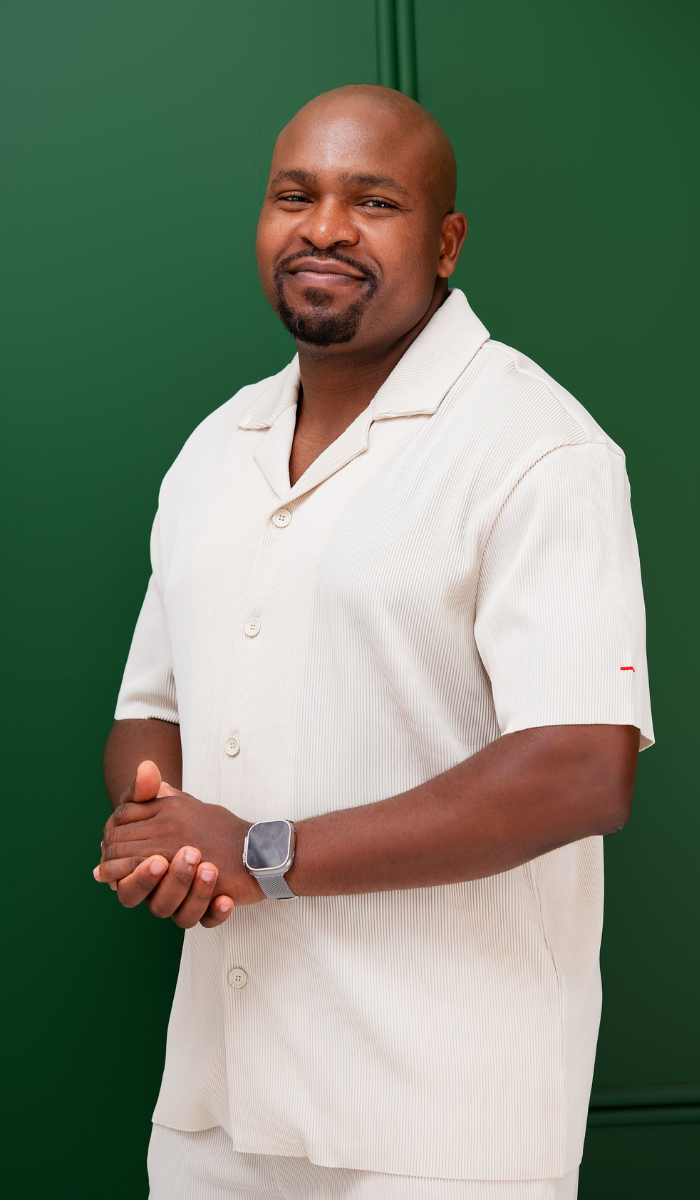
NEUROPSYCHIATRIST & MENTAL HEALTH ADVOCATE
MEET DR YANGA THUNGANA
6
Advanced Degrees & Certifications
15
+
Years of Medical Experience
6
+
Published Research Papers
10
+
Research Supervisions Completed
During my medical internship at Port Elizabeth Hospital Complex, I witnessed patients whose psychiatric symptoms had clear neurological underpinnings, yet they were often treated in isolation. I became fascinated by how a stroke patient’s depression wasn’t just emotional – it was neurologically driven. This realization that the brain and mind are inseparable led me to pursue both psychiatry and later, neuropsychiatry specialization. I wanted to treat the whole person, not just symptoms in silos. What continues to amaze me is how incredibly adaptable the human brain is. I’ve seen patients with significant neurological damage develop remarkable coping strategies and even recovery. The brain’s neuroplasticity means that with the right interventions – whether medication, therapy, or lifestyle changes – people can literally rewire their neural pathways. It’s why I’m so passionate about cognitive remediation therapy; we’re not just treating symptoms, we’re helping brains heal and adapt. I’m a firm believer in practicing what I preach. I maintain regular exercise routines, prioritize quality sleep, and make time for continuous learning – whether it’s reading the latest research or learning new skills outside medicine. I also value family time with loved ones, as strong relationships are crucial for mental health. Most importantly, I regularly reflect on my own stress patterns and make adjustments before they impact my neurological well-being. Early in my career at Tower Psychiatric Hospital, I met a brilliant young teacher whose life unravelled due to undiagnosed temporal lobe epilepsy. The mood changes and behavioural issues could have been identified years earlier, but small signs were dismissed as ‘stress.’ Watching her family struggle made me realize that many neurological consequences develop slowly – we have windows of opportunity to intervene. That’s when I understood that education and early intervention aren’t just medical concepts; they’re life-changing tools. I’m incredibly excited about the growing recognition that mental health is as important as physical health. We’re seeing more integration between primary healthcare and mental health services, and technology is opening doors for remote consultations and digital interventions. My PhD research on cognitive remediation therapy for resource-limited settings represents this future—developing effective, accessible treatments that work within our African context. The next generation of medical students I teach gives me hope that we’re building a more holistic healthcare system. Professor Zukiswa Zingela has been transformational in my career. Beyond her clinical expertise, she taught me that being a doctor means being a lifelong student and teacher simultaneously. She showed me how to balance rigorous academic research with genuine patient care, and how to use your platform to advocate for systemic change. Her approach to mentorship – guiding without micromanaging – is something I now try to emulate with my own students and registrars. She taught me that true medical leadership means lifting others as you climb.
GET TO KNOW DR THUNGANA
Personal Q & A
What first drew you to the fascinating intersection between neurology and psychiatry?
What’s the most surprising thing you’ve learned about how the brain and mind connect?
How do you practice your own mental wellness and brain health?
Your quote about ‘decisions today shaping neurological tomorrow’ is powerful – what life experience led to that insight?
What excites you most about the future of mental healthcare in South Africa?
Who has been your most influential mentor, and what did they teach you?
Council Member & Fellow. Bachelor of Medicine and Surgery. Fellow of the College of Psychiatrists. Master of Medicine in Psychiatry. Certificate in the Sub-Speciality Neuropsychiatry. Master of Philosophy Specialising in Neuropsychiatry. Master of Medicine in Psychiatry. Master of Philosophy in Neuropsychiatry. Colleges of Medicine of South Africa
MBChB (UKZN)
FC Psych (SA)
MMed Psych (WSU)
Cert Neuropsych (SA)
MPhil Neuropsych (UCT)
Walter Sisulu University (WSU)
University of Cape Town (UCT)